Silent and Steady: How Trolling Motors Transform Your Boating Experience
Trolling motors have emerged as indispensable equipment for contemporary water sports enthusiasts. They deliver whisper-quiet propulsion, permitting anglers to traverse fragile habitats with minimal impact. This silent functionality goes beyond simply minimizing sound disturbance; it also enhances fishing success by attracting more fish. As boaters seek efficiency and environmental responsibility, grasping the benefits and capabilities of trolling motors grows increasingly important. What factors should one consider before making a choice?
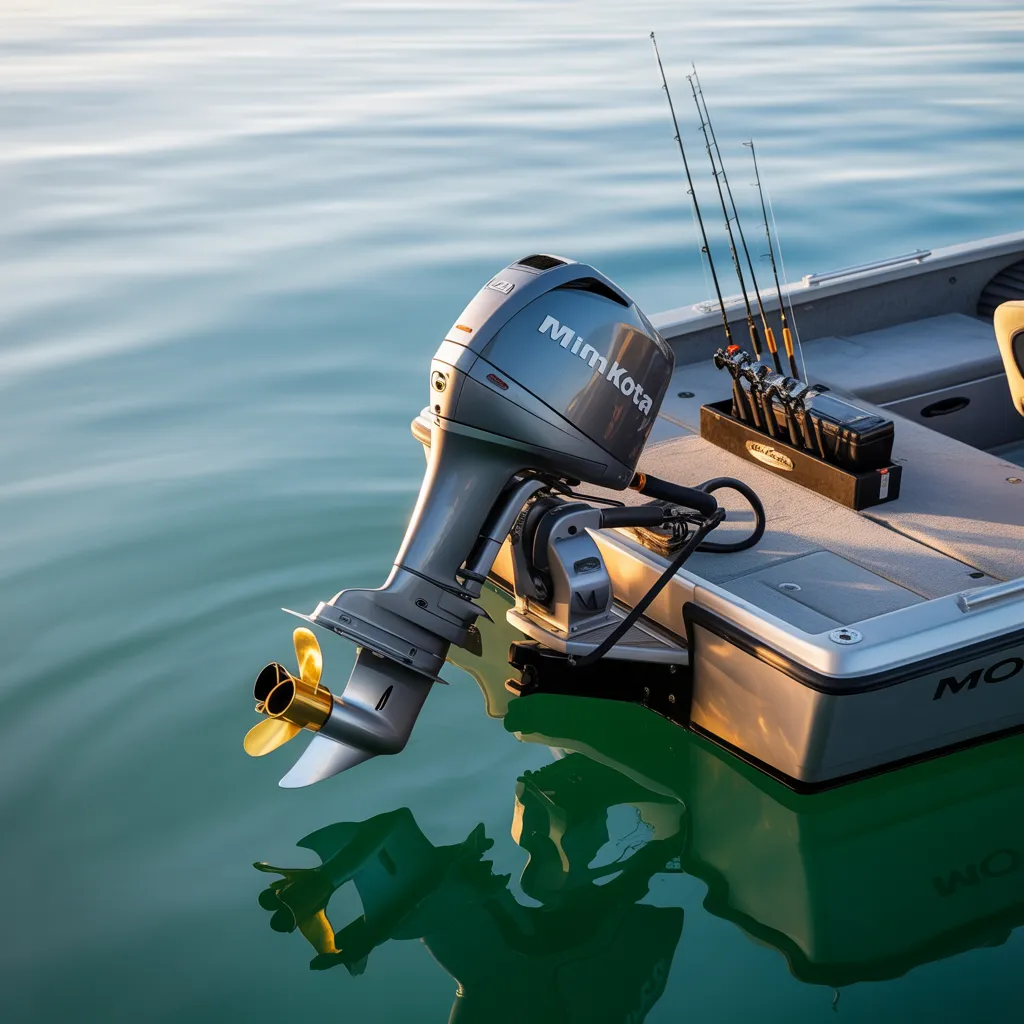
The Perks of Using Trolling Motors for Boating
Trolling motors offer numerous advantages for boat owners, particularly when careful maneuvering and minimal noise are required. These motors ensure a much quieter experience compared to standard outboard propulsion systems, allowing boaters to navigate through delicate environments without disrupting local wildlife. Their capability to hold a gradual, stable velocity is perfect for a wide range of purposes, including navigating confined waterways and discovering new areas.
Moreover, trolling motors are commonly known for their energy efficiency, extending the battery life during outings. Such efficiency makes longer excursions possible without the necessity of frequent recharging. The versatility of trolling motors allows for easy installation on various types of boats, spanning from small fishing boats to full-sized recreational vessels.
In addition, a wide range of models come equipped with advanced features such as GPS navigation and autopilot capabilities, elevating overall maneuverability. As a result, trolling motors not only optimize handling but also support a more enjoyable and sustainable watercraft experience for avid boaters.
How Trolling Motors Elevate Fishing Experiences
The advantages of trolling motors go beyond general boating, considerably elevating angling experiences. These motors provide anglers with precise control over their boat's velocity and heading, allowing for optimal placement near fish-populated zones. The low-noise performance of trolling motors limits interference in the water, increasing the likelihood of luring fish that could otherwise be frightened by standard boat engines.
Furthermore, the capability to sustain a slow and steady pace enables fishermen to execute various approaches, such as slow trolling or casting, with greater effectiveness. Such motors additionally support easier maneuvering in narrow spaces, such as submerged structures or coves, which are frequently ideal fishing spots. This flexibility permits anglers to explore diverse environments with confidence. Overall, the inclusion of trolling motors into angling excursions plays a major role in delivering a highly rewarding and satisfying experience on the water.
Why Trolling Motors Are Great for the Environment
Even though many boating enthusiasts emphasize performance and convenience, the environmental advantages of trolling motors are equally significant. These electric motors run quietly and effectively, reducing noise pollution that may disrupt aquatic life. As opposed to standard gas-powered engines, trolling motors produce zero emissions, minimizing harmful pollutants that cause water quality degradation.
Moreover, their reduced energy consumption allows users can benefit from prolonged outings without diminishing battery resources swiftly. This effectiveness encourages a responsible approach to boating, allowing enthusiasts to discover nature without creating a considerable carbon footprint.
Trolling motors also promote conscientious fishing behavior by enabling anglers to navigate delicate environments without causing disruption. Their quiet functionality works to maintain fragile aquatic environments, guaranteeing that water bodies stay unspoiled for those who follow. As trolling motors become more widely used among boaters, the overall outcome can contribute to improved water ecosystems, making them a compelling choice for nature-aware recreational anglers.
Key Features to Evaluate When Selecting a Trolling Motor
When picking out a trolling motor, various essential features deserve careful evaluation. Motor power and thrust determine performance, while battery life affects usability on the water. Additionally, the available shaft length choices can influence how well the motor performs across different fishing environments.
Motor Strength and Thrust
Thrust and motor power are essential considerations when choosing a trolling motor, as they fundamentally affect a boat's handling and overall performance. The thrust rating, expressed in pounds, dictates how efficiently a motor drives a boat forward against wind and water currents. As a rule, motors with greater thrust ratings offer improved control and handling, particularly for larger or heavier vessels. Beyond thrust, motor power, usually expressed in horsepower or watts, has a direct impact on the speed and overall efficiency of the motor. Finding the proper balance between thrust and motor power secures top-tier performance customized to unique boating demands, from peaceful fishing excursions to navigating difficult waterways. Understanding these parameters helps boaters enhance their overall experience on the water.
Battery Performance Factors
Battery life considerations are crucial in the overall effectiveness of a trolling motor, as they establish how long a boat can function without requiring a charge. When choosing a trolling motor, the kind of battery—including lead-acid or lithium-ion—impacts both efficiency and lifespan. Lithium-ion batteries typically offer longer life cycles and lighter weight, boosting overall maneuverability. Moreover, examining the amp-hour rating offers clarity on how extensively the trolling motor can function at varying thrust settings. It is equally essential to consider the motor's performance capacity and the boat's overall weight, as these elements affect battery usage. Grasping these factors enables boaters to make well-informed choices, guaranteeing a seamless and pleasurable time on the water.
Available Shaft Lengths
Choosing the right shaft length is essential for optimizing a trolling motor's effectiveness. The shaft length plays a key role in how well the motor operates in diverse water conditions. In most cases, longer shafts are recommended for rougher conditions or deeper waters, as they make certain the propeller keeps submerged and preserves thrust. In contrast, shorter shafts are well-suited for shallow waters, providing superior control and navigability.
When picking a trolling motor, it is crucial to account for the boat's transom height and the expected water depth. A proper fit eliminates cavitation and boosts efficiency. Manufacturers generally supply various lengths, usually ranging from 30 to 60 inches, enabling users to select based on their individual boating requirements and circumstances. In the end, the correct shaft length plays a significant role in delivering a smoother, more efficient boating experience.
How to Maintain Your Trolling Motor
Caring for a trolling motor is vital for maximum operation and lifespan. Consistent inspection and upkeep, along with correct battery upkeep and storage methods, are key factors in ensuring its long-term functionality. By adhering to these practices, watercraft operators can maximize the longevity and performance of their watercraft motors.
Scheduled Inspection And Cleaning
Consistent inspection and cleaning of a trolling motor are vital for maximum efficiency and extended lifespan. As time passes, debris, algae, and corrosion can build up, adversely impacting the motor's performance. Routine checks should include examining the propeller for damage and confirming it spins freely. The motor's outer casing should be thoroughly cleaned to clear away any deposits, while the electrical connections need to be examined for rust or degradation. In addition, the shaft should be carefully maintained to ward off corrosion and promote uninterrupted performance. At the conclusion of each excursion, flushing the motor with freshwater is strongly suggested, especially when it has been used in saltwater conditions. Through adhering to a consistent maintenance and cleaning routine, boat operators can significantly improve their trolling motor's dependability and prolong its service life.
Battery Upkeep Advice
Effective battery maintenance is essential for ensuring the longevity and performance of a trolling motor. Routinely inspecting battery connections for corrosion is critical, as clean terminals facilitate optimal power transfer. It is recommended to maintain the battery's charge, avoiding complete discharge, to prolong its service life. Moreover, employing a reliable battery charger tailored to the specific battery type can safeguard against overcharging, which risks causing harm. Monitoring the battery's water levels is equally essential; distilled water must be replenished as required for lead-acid batteries. Finally, storing batteries in a cool, dry environment can help prevent premature wear and degradation. Adhering to these maintenance guidelines will significantly support the dependable performance of a trolling motor.
Appropriate Storage Techniques
Proper storage practices are essential for prolonging the lifespan of a trolling motor and maintaining peak performance. To maximize the motor's lifespan, it is crucial to clean the motor thoroughly after each use, removing any debris and saltwater. For proper storage, it is best to place the motor in a dry, temperature-regulated area to prevent corrosion and damage. The propeller must be taken off and stored apart to avoid unintentional engagement. Furthermore, removing the battery and keeping it in a cool location helps prevent battery degradation. Frequent examinations for signs of wear will help identify any potential issues early. By implementing these best practices, boaters can maintain their trolling motors, providing consistent reliability during future excursions.
Electric vs. Gas Trolling Motors: Which One Is Right for You?
When deciding between electric trolling motors and gas-powered alternatives, you may find yourself wondering which solution best matches their needs on the water. Electric trolling motors have a reputation for their quiet operation and environmentally friendly nature, making them well-suited for fishing in peaceful environments where a quiet approach is critical. They are commonly simpler to operate and maintain, as they only need a battery charge to function. However, their reach can be restricted by the available battery charge.
On the other hand, gas trolling motors deliver increased power and longer operational times, making them suitable for larger boats or extensive trips. They are capable of managing harsher conditions and frequently deliver superior thrust. However, they do have disadvantages, such as noise, exhaust emissions, and more demanding maintenance needs.
Essentially, the selection depends on the boater's personal requirements, including the body of water, duration of outings, and personal preferences regarding ecological impact and upkeep.
Commonly Asked Questions
Can Trolling Motors Be Used on Any Type of Boat?
Trolling motors can be used on a wide range related content of watercraft, such as fishing boats, pontoon boats, and small crafts. However, compatibility depends on the vessel's dimensions, weight capacity, and purpose, demanding precise selection to achieve the best results.
What Speed Can a Trolling Motor Reach?
Trolling motors typically reach speeds of anywhere from 3 to 5 miles per hour, according to the model and type of boat. They prioritize quiet operation and precision over speed, making them well-suited for angling and casual recreational use.
Are Special Batteries Required for Trolling Motors?
Trolling motors generally need deep-cycle battery units, engineered for prolonged discharge cycles. These batteries deliver superior performance and durability, since they supply reliable power across extended timeframes, unlike standard batteries that may deplete too quickly.
Are Trolling Motors Easy to Install?
Trolling motors are generally quite simple to install, according to the model chosen and the vessel type. Most come with clear instructions, while some may require basic tools and a bit of mechanical skill for ideal setup.
How Long Does a Trolling Motor Typically Last?
The expected lifespan of a trolling motor typically ranges from ten to fifteen years, influenced by maintenance, usage, and environmental conditions. Regular maintenance can considerably extend its longevity and performance in different on-water conditions.